Camera Gear Rentals in Banff & the Canadian Rockies: A Photographer's Guide
Lake Louise, Moraine Lake, the Icefields Parkway — Banff National Park is one of the world's great photography destinations. There's no camera rental house for hundreds of kilometres. Here's how to gear up from locals.
Camera Gear Rentals in Banff & the Canadian Rockies: A Photographer's Guide
Banff National Park consistently ranks among the world's top photography destinations. The turquoise glacial lakes. The jagged limestone peaks. The Icefields Parkway — one of the most scenic drives on earth. Wildlife everywhere. And light that, in the golden hours, turns the Rockies into something from a dream.
Photographers from every country put Banff on their bucket list. Many arrive without realizing there is no camera rental house in Banff, Canmore, Lake Louise, or anywhere along the Icefields Parkway for hundreds of kilometres. The nearest professional rental operations are in Calgary — a 90-minute drive from Banff town.
Rented Local connects you directly with photographers based in Banff and Canmore who list their gear between their own shoots.
The Banff Photography Calendar
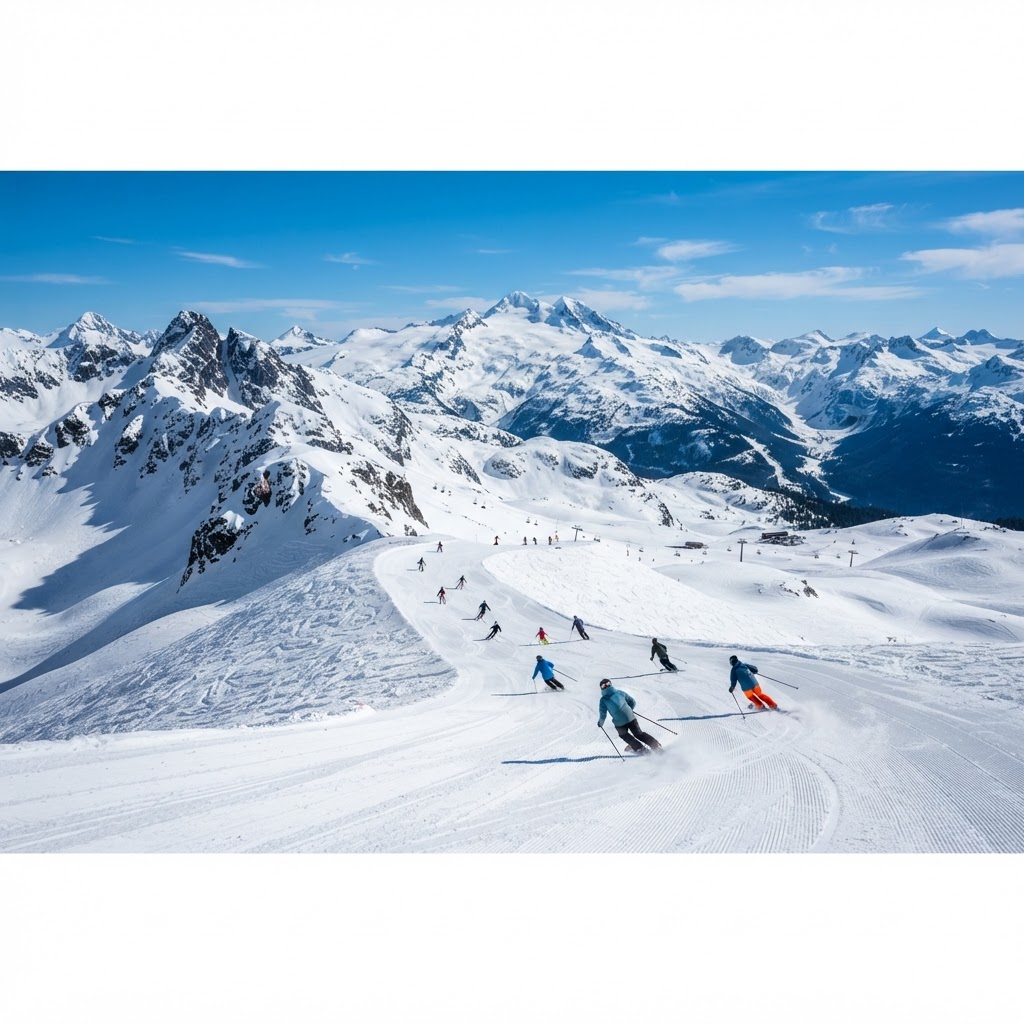
Winter (December–March)
What's extraordinary: Frozen lakes, steam rising from Banff's hot springs, hoarfrost on the trees, dramatically clear blue-sky days after storms, wolf and elk in the valleys.
Challenge: Extreme cold (-25°C to -35°C possible). Batteries drain in minutes. Camera screens struggle. Lenses need time to acclimatize when moving between indoors and outside.
Rent: A second battery grip (doubles your battery life), a weather-sealed body, and hand warmers for your camera bag.
Spring (April–May)
What's extraordinary: Waterfalls at peak flow from snowmelt, black bears emerging from hibernation (often visible near the highway), fewer crowds at the iconic spots.
Best opportunities: Wildlife with young — cubs, elk calves, bighorn sheep lambs. A telephoto lens is essential.
Summer (June–August)
What's extraordinary: Peak wildflower season in late July, Moraine Lake at full turquoise, glacier access, long golden hours (sunset after 10pm in June).
Crowds: Moraine Lake and Lake Louise require shuttles from Banff now — no private vehicle access. Plan shoots for 5–6am before shuttles start for true sunrise solitude.
Fall (September–October)
What's extraordinary: Arguably Banff's best photo season. The larch trees turn golden in the last two weeks of September — a phenomenon that draws photographers from around the world to Larch Valley above Moraine Lake.
Rent: A telephoto for the elk rut (September is peak rut — bulls bugling in the valleys). And a wide-angle for the golden larch forests.
What Camera Gear to Rent in Banff
Camera Bodies
Sony A7R V — 61 megapixels of resolution does justice to the Rocky Mountain landscapes. For large prints or licensing, you want every pixel. The A7R V's dynamic range handles the extreme contrast between bright peaks and dark valley shadows.
Nikon Z8 or Z9 — Exceptional wildlife tracking. Nikon's autofocus on moving animals (elk, deer, bears, wolves) is among the best available.
Canon R5 / R5 Mark II — Another strong choice for both landscapes and wildlife, with a colour science that renders the distinctive Banff turquoise lakes beautifully.
Lenses — The Essential Banff Kit
16–35mm f/2.8 or 14–24mm f/2.8 — Non-negotiable for Banff landscapes. Moraine Lake at 14mm captures the full bowl. Lake Louise at 16mm gets the chateau and mountains in frame simultaneously.
24–70mm f/2.8 — The versatile middle ground. Perfect for the Icefields Parkway roadside stops, Banff town streetscapes, and environmental portraits.
100–400mm or 150–600mm — The wildlife lens. Bighorn sheep on the roadside (very common between Banff and Lake Louise). Elk in the valley. Bears on the hillside. This focal range gives you safe distance from wildlife while filling the frame.
600mm or 800mm prime (or rental of a "big white") — If you're making a dedicated wildlife trip targeting wolves or cougars, the longer reach matters. These are expensive lenses that make perfect sense to rent rather than own.
Macro lens (100mm f/2.8) — Banff's wildflowers in July and August are remarkable. A macro opens up a completely different photographic world.
Drone
CRITICAL NOTE: Drones are prohibited in most of Banff National Park — national parks are restricted airspace under Transport Canada rules. A few specific zones outside park boundaries allow drone use. Check the NATca app and Transport Canada's drone site map before bringing a drone. Violations carry significant fines.
For the areas where drones are permitted (some areas around Canmore, outside park boundaries), a DJI Mavic 3 Pro produces extraordinary Rocky Mountain aerial footage.
Filters
Circular Polarizer — Essential for Banff. A polarizer deepens the turquoise colour of the lakes, cuts glare on water, and pops the blue sky against the peaks.
6-stop and 10-stop ND filters — For long-exposure waterfall shots (Johnston Canyon, Bow Falls, Athabasca Falls). Silky water against sharp rock.
Graduated ND — For managing the extreme dynamic range between bright snow-capped peaks and darker valley foregrounds.
Tripod
For landscape work in Banff, a tripod is not optional — it's your most important piece of non-camera gear. Long exposures at sunrise and sunset, blue hour shots of the lakes, and star photography all require one. Carbon fibre if possible — lighter to carry on trail approaches.
The Locations That Demand Great Gear
Moraine Lake: Often called the most photographed location in Canada. The rockpile viewpoint at sunrise — 45-60 minute hike up, 5am start — produces images that are unmistakably Banff. Wide angle essential. Tripod essential. Filters recommended.
Icefields Parkway: 230km of continuous stunning scenery. Stop at Peyto Lake (viewpoint), Sunwapta Falls, Athabasca Falls, and the Columbia Icefield. A telephoto reveals mountain goats and sheep invisible to the naked eye.
Two Jack Lake: Less crowded than Minnewanka, beautiful mountain reflections, great for Milky Way photography with light pollution limited on the north side.
Tunnel Mountain: Quick hike above Banff town. Great elevated perspective of the valley and Hoodoos. Strong cell signal for uploading.
Renting from Banff and Canmore Locals
Canmore (15 minutes from Banff's east gate) is home to a significant creative community — photographers, filmmakers, outdoor athletes. Many list their gear on Rented Local between their own projects.
What you get beyond the gear: local knowledge about where and when to shoot. A Canmore local who shoots Moraine Lake twice a week knows the exact microwave conditions that produce perfect reflections, the trail shortcuts that get you to the rockpile in 30 minutes not 60, and which spots are currently overrun and which are quiet.
Browse available camera and drone gear in Banff and Canmore. Own professional gear and based in the Bow Valley? List it — visiting photographers will find you.
Ready to rent gear?
Browse thousands of items from locals across Canada.